
 №21 best seller



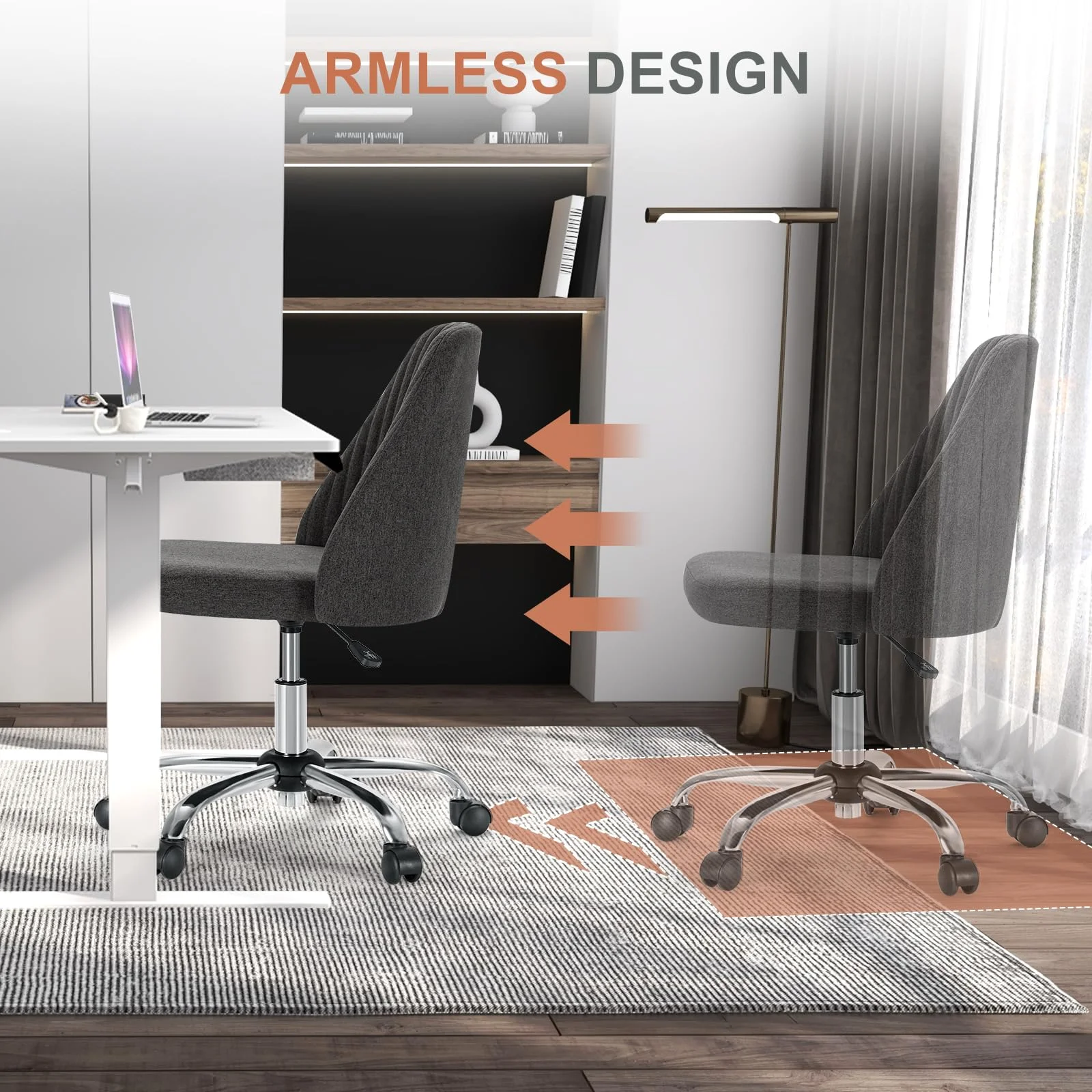


The chair almost nobody was building
Watch anyone work at a desk for an hour. They start square, feet flat, the way the diagrams say. Ten minutes later one ankle is on the other knee. Ten minutes after that a whole leg is folded under them, and by the end of the hour they are sitting fully cross-legged in a chair that was never meant to allow it, with an armrest pressing into one shin.
DUMOS exists because of that hour. Desk chairs are drawn around a single approved posture, and people do not hold it. We wanted a chair that admitted the truth: that a comfortable sitter is a moving sitter, and that the most common forbidden position, legs crossed on the seat, deserves a seat wide enough to hold it.
So the first DUMOS chair was, to be honest, mostly subtraction. We removed the armrests that block a crossed leg. We widened the seat until an adult could fold both legs onto the cushion without hanging a knee off the edge. We kept everything a desk chair must keep, the gas lift, the swivel, the sturdy base, because a wide seat is no use if it sits at dining height. What came out looked simple and sat like nothing else in the room.
A chair should fit the way you sit, not audit it.
Buyers found the chair, and their reviews taught us who it was for: people at narrow bedroom desks, students in shared apartments, anyone whose knee has ever hit a fixed armrest. Then the letters started asking for the rest of the room, and the range grew the way a home does, one needed piece at a time.
From one chair to seven rooms
The catalog now runs from seating into desks, bedroom pieces and storage, and every addition passed the same test: does it fit a real room, and does it respect how people actually live in one. The table below is the short version of how each room earned its place.
| Room | What it holds | Why we build it |
|---|---|---|
| Criss-Cross Chairs | Wide armless seats, wheeled and legged | The signature. Room to change position all day |
| Ergonomic & Executive | High backs, lumbar support, adjustable arms | For long days when support beats freedom |
| Vanity & Task | Compact armless rollers | Small desks and vanities need small chairs |
| Desks & Tables | Straight, corner and standing desks | A chair is half a workspace, so we build the other half |
| Bar Stools & Guest | Counter stools, padded guest chairs | The kitchen island is the other desk |
| Bedroom | Nightstands, dressers, bed frames | The rooms our desks live in needed the rest |
| Storage & Cabinets | Rolling files and drawer chests | Paper and cables have to live somewhere |
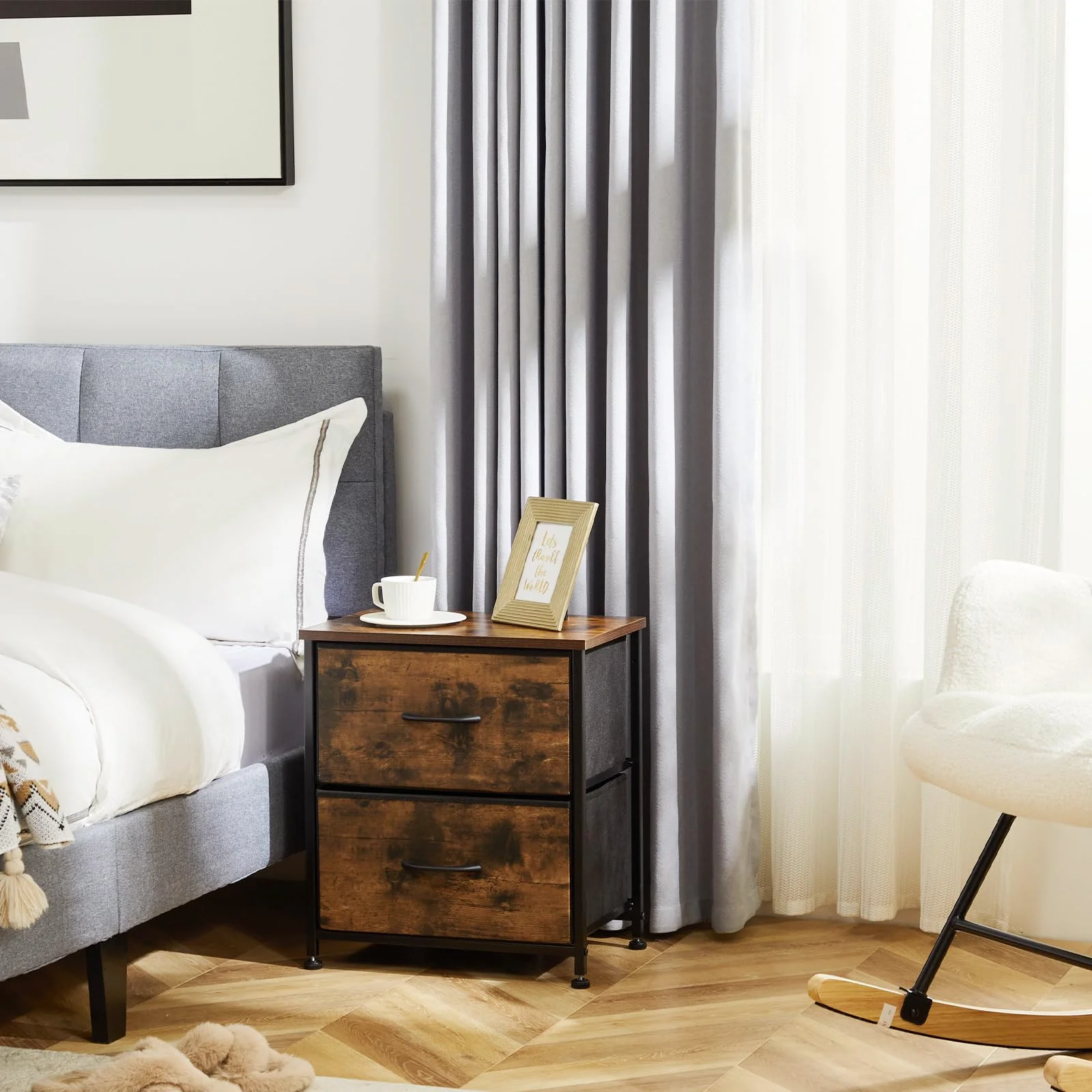
The desks came first, sized from forty inches because that is what fits between a bed and a wall. Then nightstands, because the people buying small desks had small bedrooms too. Bar stools followed when we noticed how many kitchens had become offices. None of it is exotic. All of it is measured for the rooms people actually have.
What we refuse to build
A range is defined by what it turns down. We do not build thrones: the enormous padded chairs that photograph like authority and sit like a parked car. We do not build to a price so low the foam gives out within a year, because replacing a chair annually is the most expensive way to own one. And flattery never makes it into a measurement: if a figure is not stated on the piece itself, no figure appears beside it here.
We are also careful about what a chair can honestly promise. A wide seat makes changing position easy, and changing position is what tired bodies want. That is a comfort claim, and it is where we stop. Public health guidance on posture says the useful things plainly, keep your spine's natural curves, move often, support your feet, and our journal quotes those sources directly rather than dressing sales copy up as medicine.
The most honest spec on a chair is the one that rules it out for somebody.
That is also why the seat width is printed beside every criss-cross chair on this page. A seat just shy of 26 inches across is the point of the product for one buyer and wasted width for another. The figure decides, not the adjectives.
What buyers changed
Reading reviews at every update is house policy, and it has redrawn the range more than once. Wider foam on the pieces people sat in longest. Rewritten manuals after buyers told us step numbering was the hard part of assembly. Anti-tip hardware treated as a headline feature on drawer chests rather than a footnote, because the people asking about it were parents, and they were right to ask. A few pieces that kept disappointing people simply left the catalog.
The same habit sets the ranking on this page. The pieces you see first are the ones with the strongest ratings from the most buyers, counted honestly, one product family at a time. When a piece slips, it moves down the page without a committee meeting, and when something unseats a best seller, the page says so at the next update.
Where the name takes you
Everything on this page carries the same promise: measurements you can trust, parts that were tested, prices from our last update, and a buying button that goes straight to the piece. The rest of the range, several hundred pieces across the seven rooms, lives one click further.
If you remember one thing about DUMOS, let it be the founding observation: you already sit the way you sit, fold your legs where you fold them, and live in the rooms you actually have. The furniture should be the thing that adjusts, and building the furniture that does is the whole of our job description.
DUMOS furniture is the whole of it: one catalog, 58 best sellers on this page, and the rest of what we make a click away.



